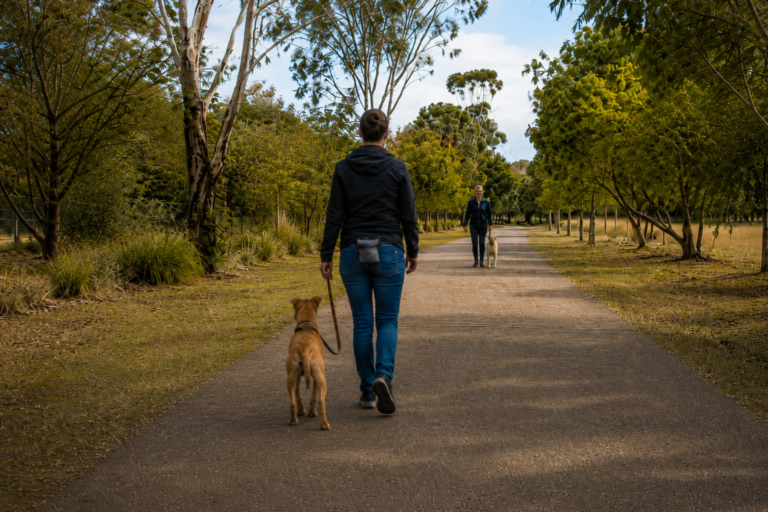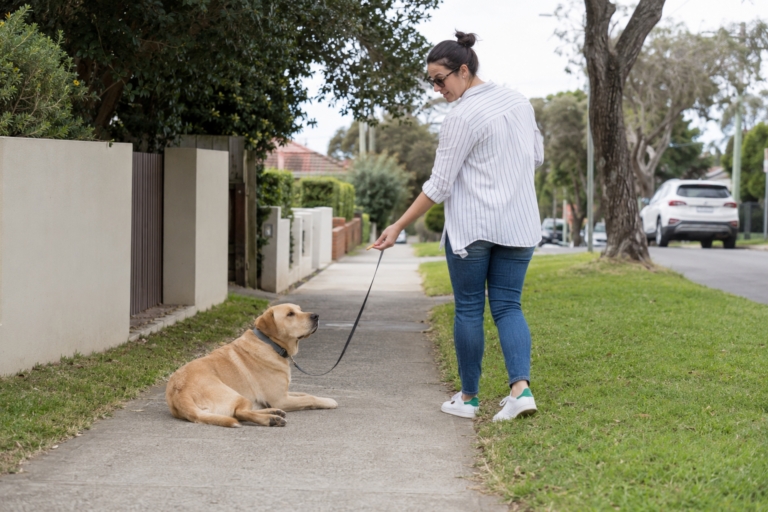
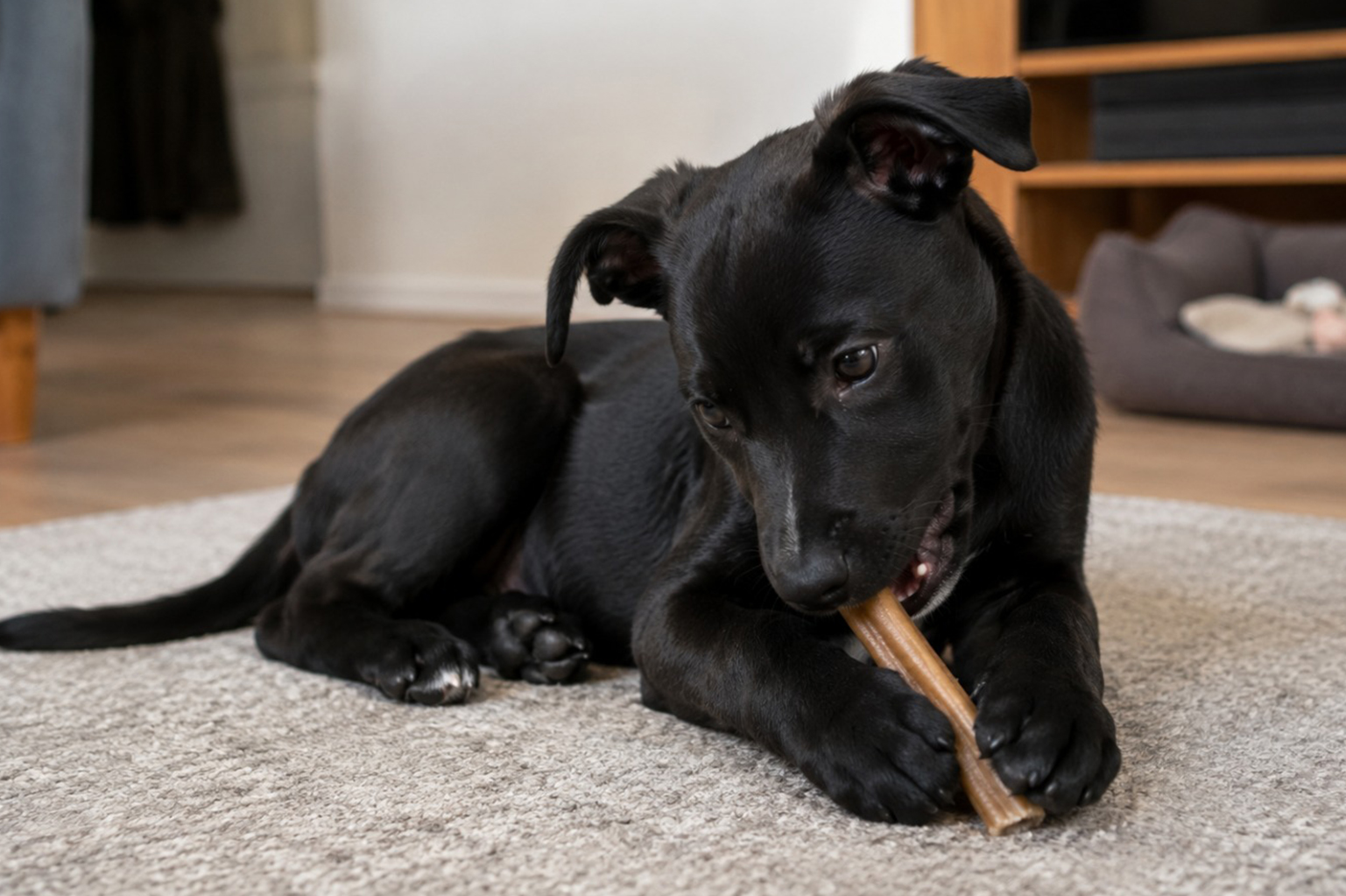
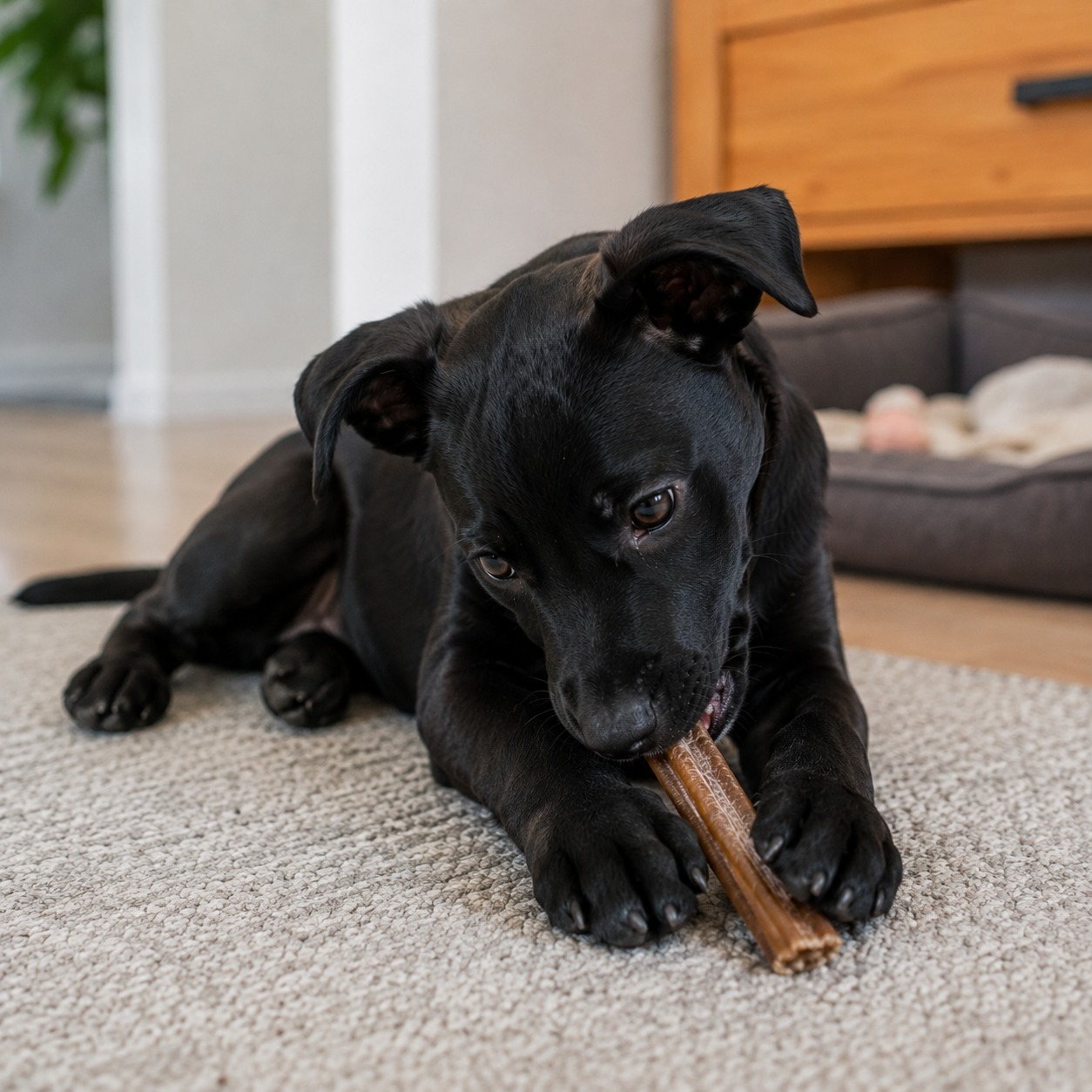
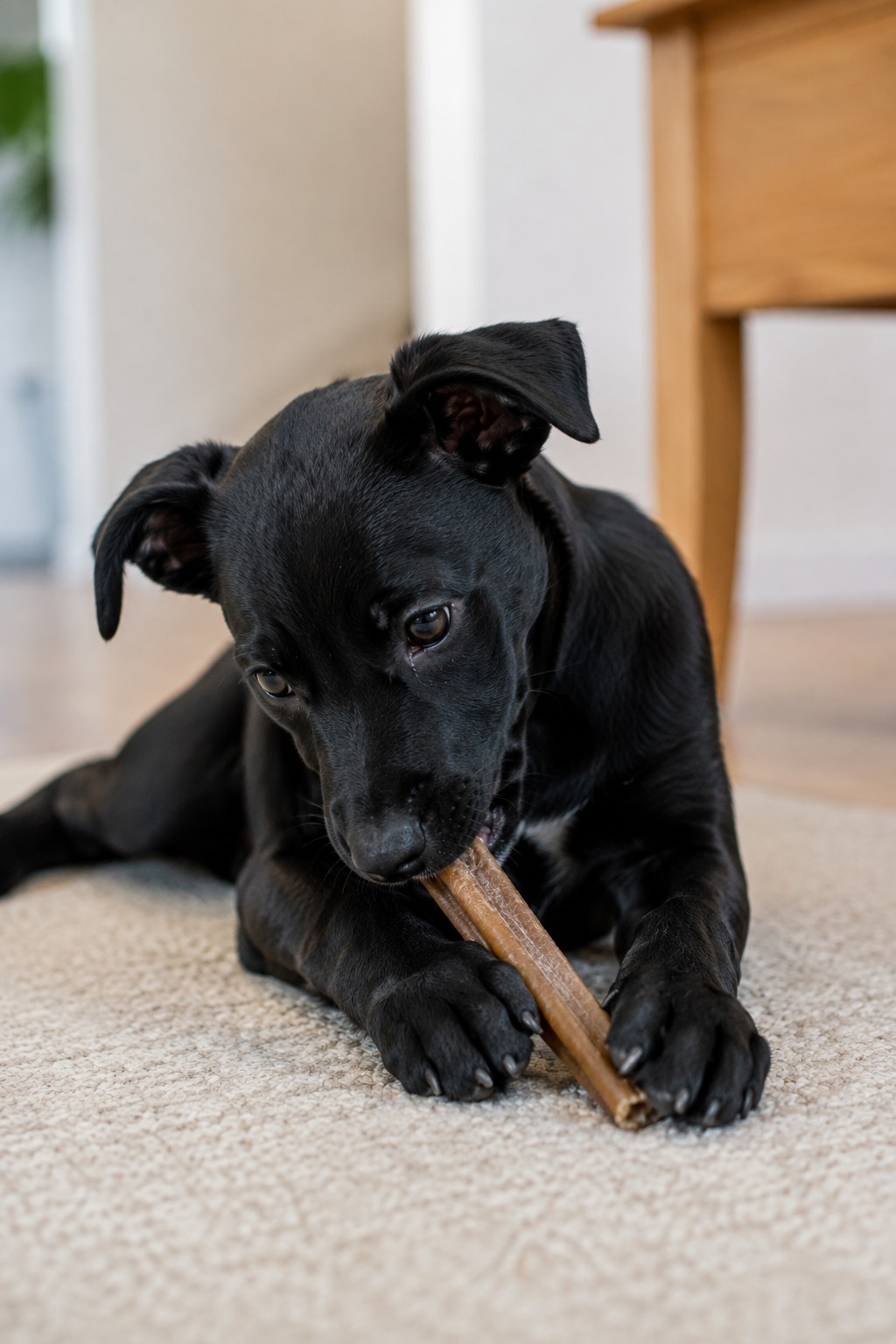
It may feel like you're living with a tiny piranha—but this stage won't last forever.
10 steps to tackle puppy biting
Puppy biting is probably the number one complaint we hear from new puppy owners at CLEAR Dog Training.
One day you’ve brought home an adorable puppy. The next, it’s transformed into a tiny piranha, leaving teeth marks on ankles, sleeves and hands.
It can be exhausting, frustrating and, if you’re not careful, start to damage the relationship with your puppy.
The good news? Puppy biting is completely normal. Puppies explore the world with their mouths. They aren’t being naughty—they’re learning about the world. Our job is to guide them towards better choices, not punish normal puppy behaviour.
CLEAR THINKING
Puppies aren’t being naughty. They’re learning about the world. Our job is to guide them towards better choices, not punish normal puppy behaviour.
Here are ten practical CLEAR Dog Training tips that can make a huge difference.
1. Exercise the body
A tired puppy is usually a better-behaved puppy. Short play sessions, sniffing games and age-appropriate exercise help burn energy before it turns into piranha mode.
2. Exercise the brain
Mental exercise can be just as tiring as physical exercise. Food puzzles, scent games and short training sessions keep busy puppy brains occupied and reduce the urge to invent their own entertainment.
3. Reward calm behaviour
Don’t wait for your puppy to be naughty before rewarding them. Whenever they’re lying quietly, chewing an appropriate toy or relaxing on their bed, calmly praise and reward them. Puppies repeat behaviours that pay.
4. Redirect onto appropriate toys
If your puppy grabs your hands or clothing, calmly redirect them onto a suitable chew toy. Avoid rough games that encourage puppies to bite people.
5. Learn your puppy’s rhythm
Puppies constantly swing between what I call ‘cocktail by the pool mode’ and ‘ballistic missile mode.’ If you want to handle your puppy, trim nails, groom them or practise calm behaviour, choose cocktail by the pool mode. If your puppy has turned into a ballistic missile, it’s probably time for a nap, a chew or some quiet time—not another training session.
6. Manage the environment
Puppies are far less likely to make mistakes if they’re set up for success. Keep shoes, children’s toys, clothing and other tempting items out of reach, and use puppy pens, baby gates or tethers when you can’t supervise.
7. Give your puppy appropriate chew toys
Puppies need to chew. Provide a variety of safe, interesting chew toys and rotate them regularly to keep them novel and appealing.
8. Be consistent
Everyone in the family should respond to puppy biting in the same way. Mixed messages slow learning and confuse puppies.
9. Be patient
Puppy biting doesn’t disappear overnight. Like toilet training and lead walking, it improves steadily with consistent guidance and practice.
10. Get help early
If puppy biting is becoming overwhelming or you’re unsure how to handle it, seek professional help sooner rather than later. Small changes made early can prevent much bigger problems later.
- Ensure your puppy gets enough sleep each day.
- Carry a chew toy with you so you can redirect biting immediately.
- Reward calm behaviour whenever you see it.
- Keep training sessions short and fun.
- Be patient and consistent—this stage won’t last forever.