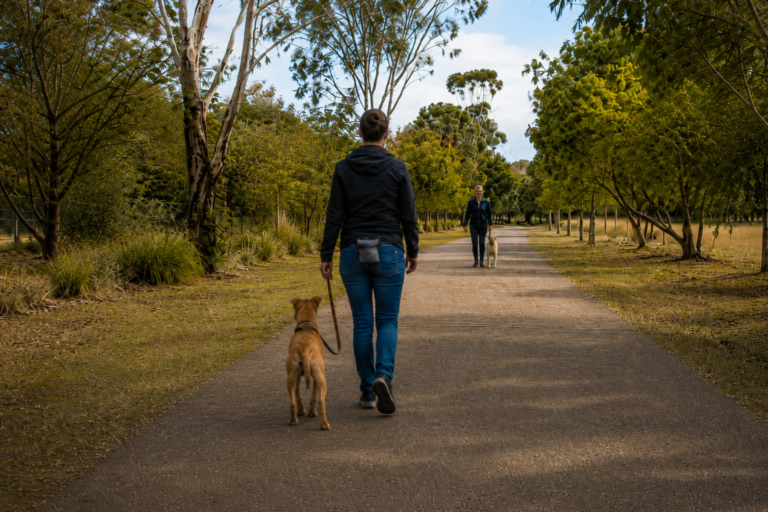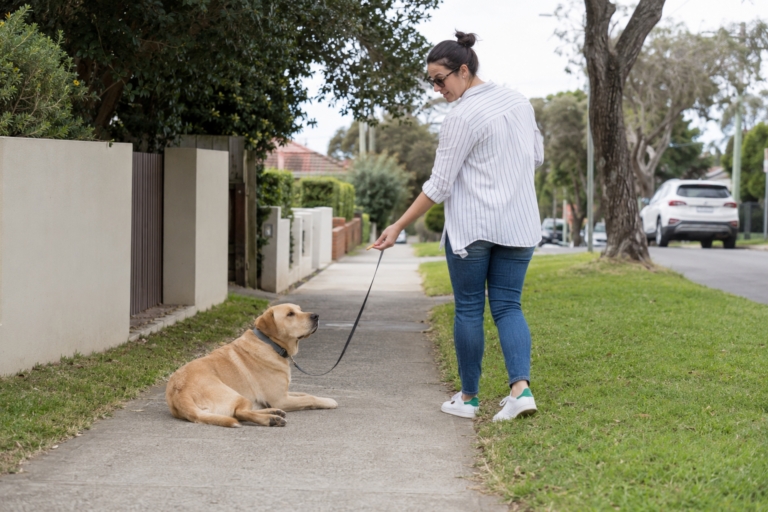
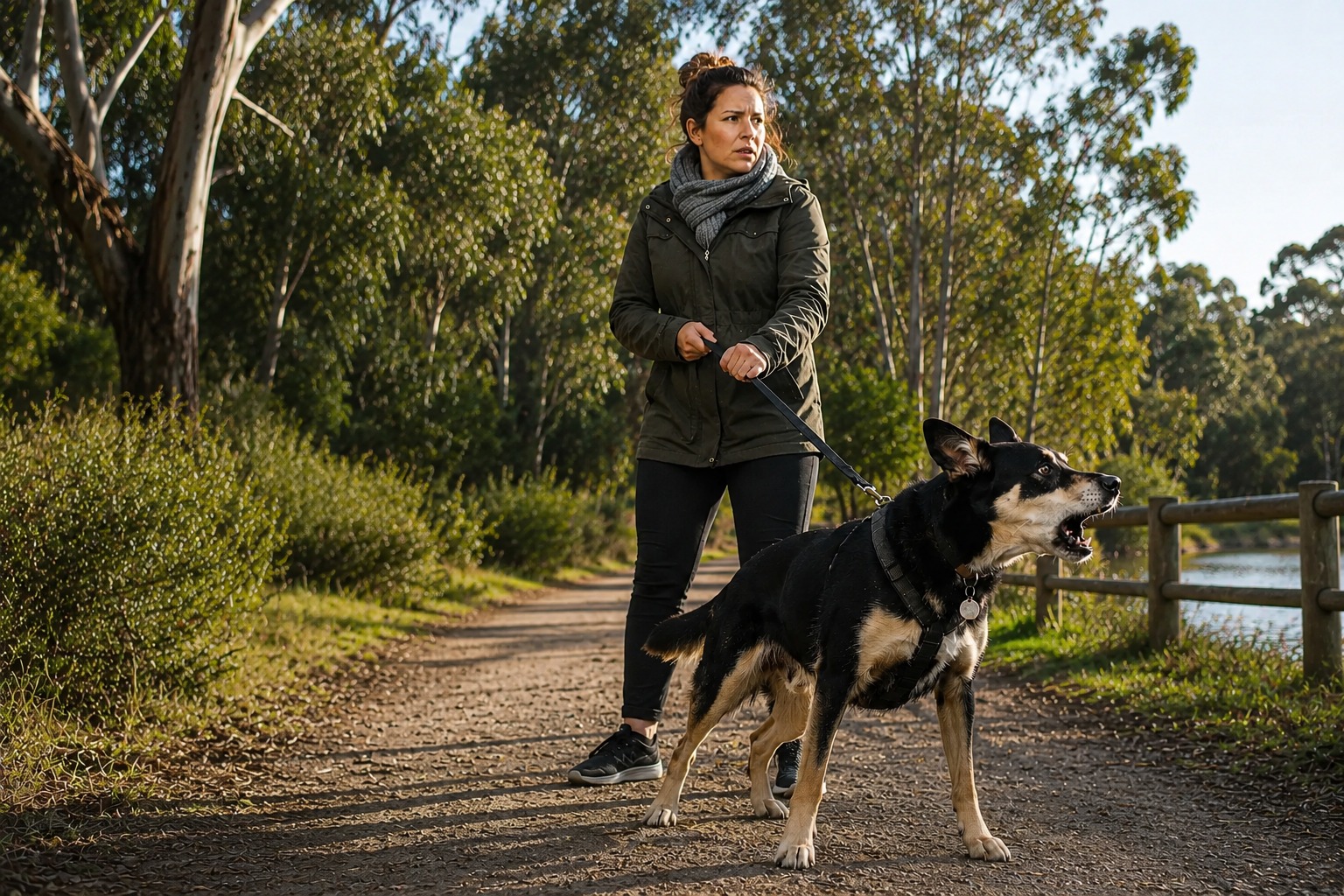
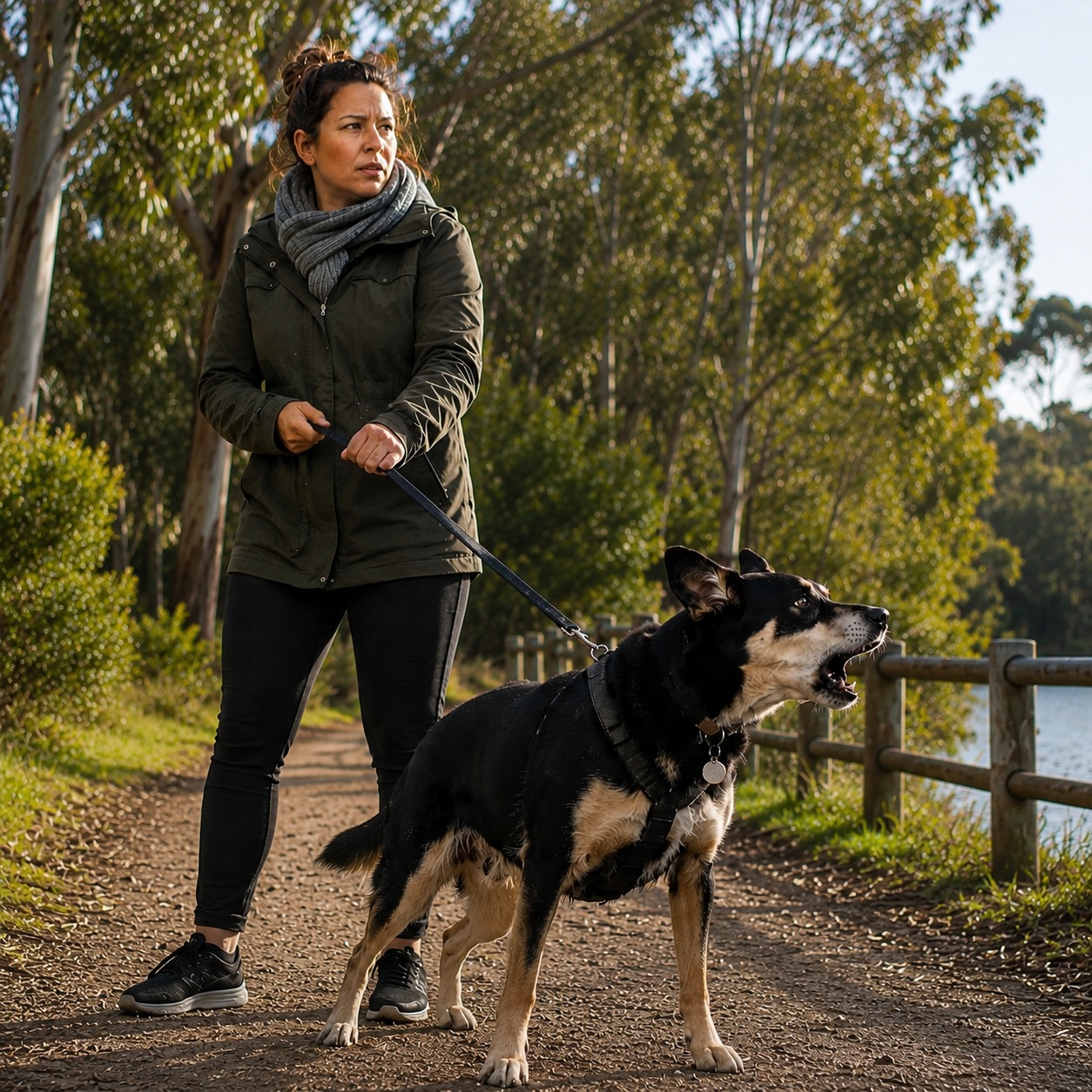
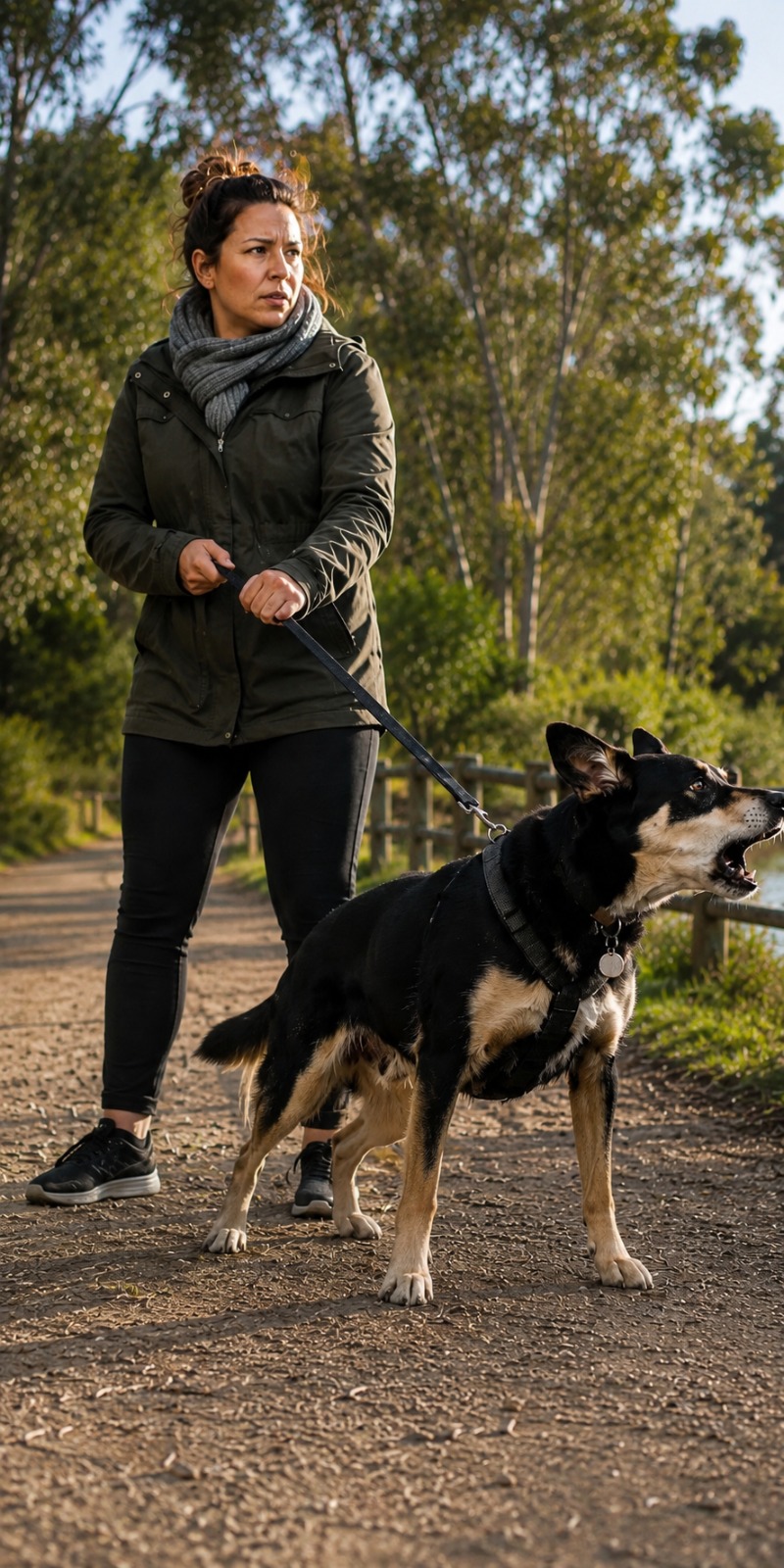
Living with a reactive dog presents its own unique set of challenges.
How to choose the right puppy for you
Choosing a puppy is one of the biggest decisions you’ll ever make as a dog owner. It’s also one of the easiest to get wrong.
Choosing a puppy simply because it’s the prettiest, has unusual markings or catches your eye can be a costly mistake. While no one can guarantee the perfect puppy, there are plenty of sensible steps you can take to improve your chances of bringing home a confident, well-adjusted companion.
Here are some of the things we encourage prospective puppy owners to consider before bringing their puppy home.
CLEAR THINKING
The time to prevent many behavioural problems is before you bring your puppy home. Do your homework, choose carefully and give your puppy the best possible chance of success.
Choose the right breed
Before you fall in love with a puppy, make sure the breed suits your lifestyle. A high-drive working dog may be perfect for someone wanting to compete in agility or obedience but could be overwhelming for someone looking for a relaxed family companion. Equally, a quieter breed may not satisfy someone wanting an active training partner.
Be honest about your lifestyle, experience and expectations. Choosing the right breed is the first step towards choosing the right puppy.
Choose your breeder carefully
Choosing the right breeder is every bit as important as choosing the right puppy.
If you’re buying a pedigree puppy, choose a breeder registered with Dogs Australia, Australia’s recognised pedigree dog organisation. A good breeder should welcome your questions and be just as interested in matching the right puppy to the right home as you are in finding the right puppy.
Meet the mother whenever possible and, if you can, the father as well. Ask about their temperaments, health and how the puppies are being raised during those important first weeks of life.
Most importantly, be honest about the sort of dog you’re looking for. A good breeder knows their puppies well and can often recommend the puppy that best suits your lifestyle.
Talk to previous puppy buyers
One of the best sources of information is often people who already own dogs from previous litters. No one knows those dogs better than the people who have lived with them every day for the past two or three years.
Many breeders have Facebook pages or online communities. Contact a few owners privately and simply get them talking about their dog. What’s it really like to live with? Is it confident and relaxed or naturally very high drive? How does it cope with everyday life?
You’re not asking anyone to criticise the breeder. Most owners are understandably loyal to their breeder and love their dog, but if you listen carefully, you’ll often be able to read between the lines.
Those conversations can tell you things that no pedigree, website or sales brochure ever will.
Meet the puppy
One of the biggest mistakes prospective owners make is choosing the puppy with the prettiest markings, the unusual colour or simply the cutest face in the litter.
While it’s perfectly natural to have preferences, colour and markings have absolutely no bearing on temperament. The puppy you’ll share your home with for the next 12 to 15 years should be chosen for its personality, not its appearance.
Choose the puppy whose temperament best suits your lifestyle and expectations.
Spend time watching how each puppy interacts with people and littermates. Does it recover quickly from something new? Is it curious and confident without being over-the-top?
Another common mistake is asking the breeder for the quietest or most laid-back puppy in the litter. That isn’t always the easiest puppy to live with. Sometimes the quiet puppy is simply timid or lacking confidence.
You’re not necessarily looking for the busiest puppy in the litter either. Ideally, you’re looking for one that is friendly, curious and confident, enjoys interacting with people, recovers well from new experiences and is comfortable exploring the world around it.
Choose the personality first. The colour is simply a bonus.
Give your puppy the best possible start
Choosing the right puppy is only the beginning.
Thoughtful, strategic socialisation during those early months plays a vital role in building confidence. Introduce your puppy to new people, places and experiences gradually, ensuring each one is positive and enjoyable. Quality experiences are far more valuable than simply trying to expose your puppy to everything.
Remember, good socialisation isn’t about meeting as many dogs as possible. It’s about building confidence through positive experiences.
If things don’t go to plan
Even if you’ve done everything right, there are no guarantees. Genetics, health and life experiences all influence behaviour.
If your puppy does become timid or reactive, don’t lose heart. Seek professional help early and train the dog in front of you, not the dog you hoped you might have.
My own dog, Hope, was naturally quite timid and her confidence wasn’t helped by being attacked twice at competitions. She’ll never be a social butterfly, but with patient, thoughtful training she became a multiple State and National Rally Obedience Champion and one of the nicest dogs I’ve ever lived with. In many ways, her preference for focusing on me rather than other dogs became one of her greatest strengths in the competition ring.
Your dog’s behavioural traits don’t define who they are. Every dog deserves to be understood, trained as the individual in front of you and appreciated for the unique qualities they bring to your life.