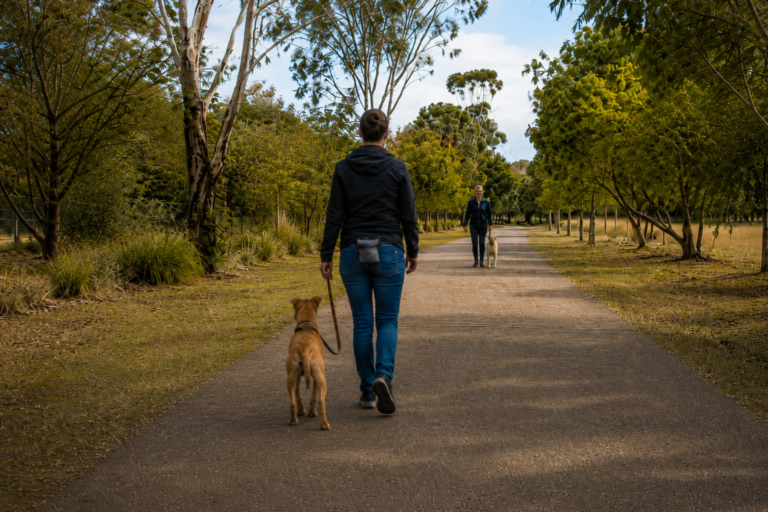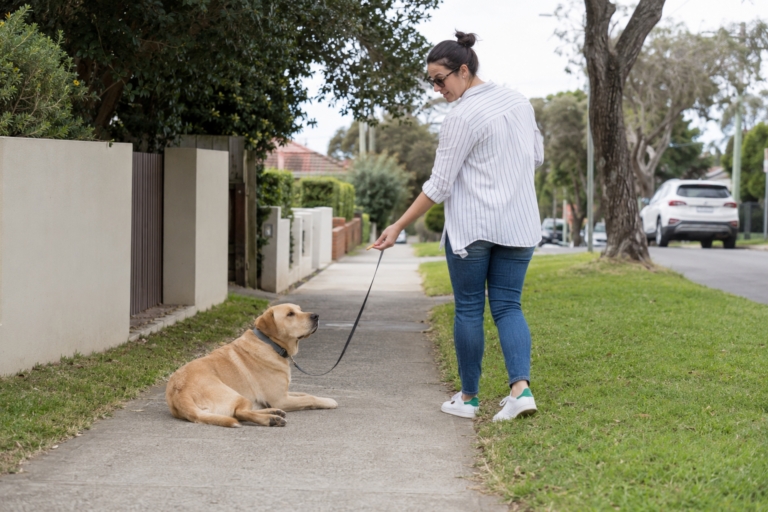
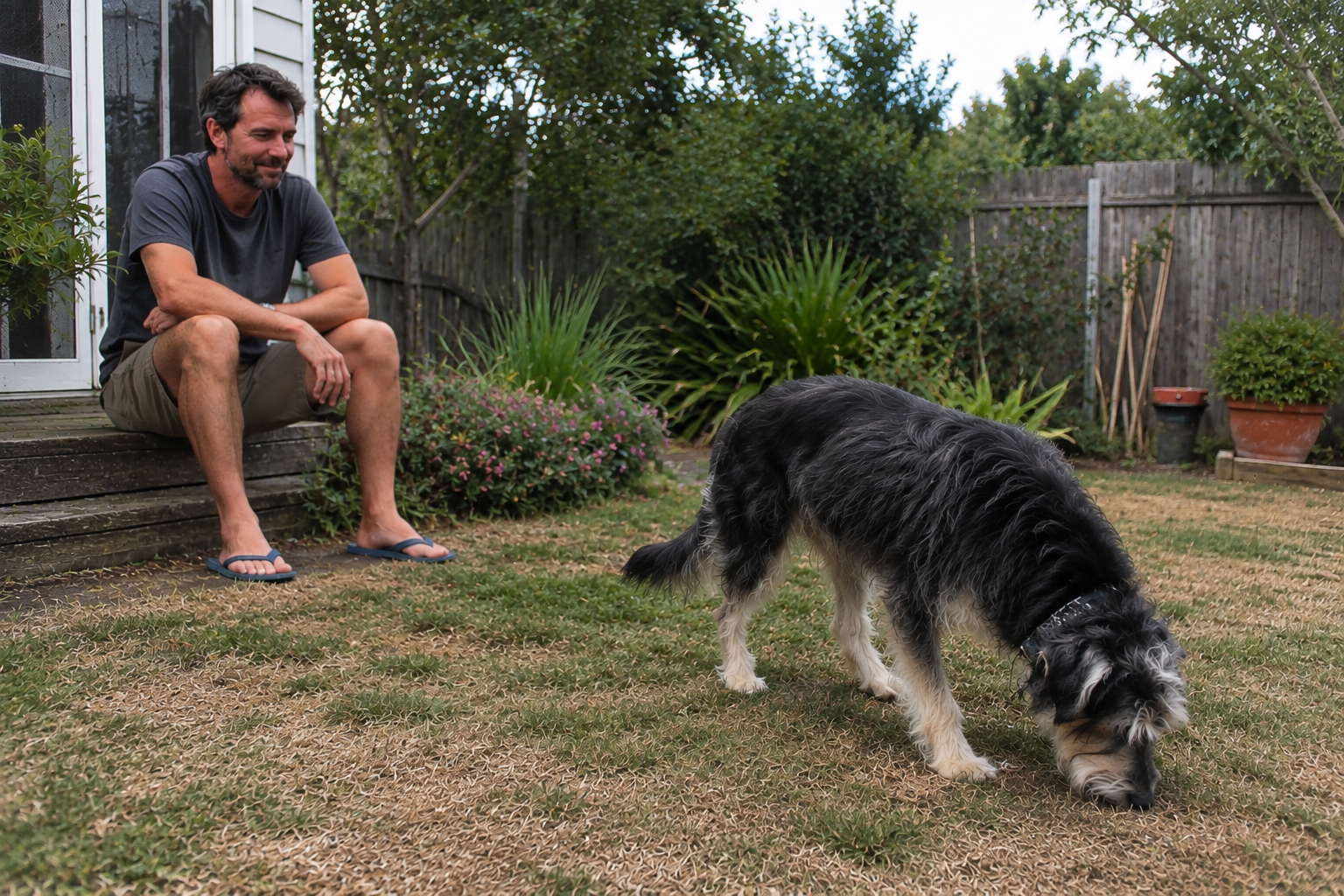
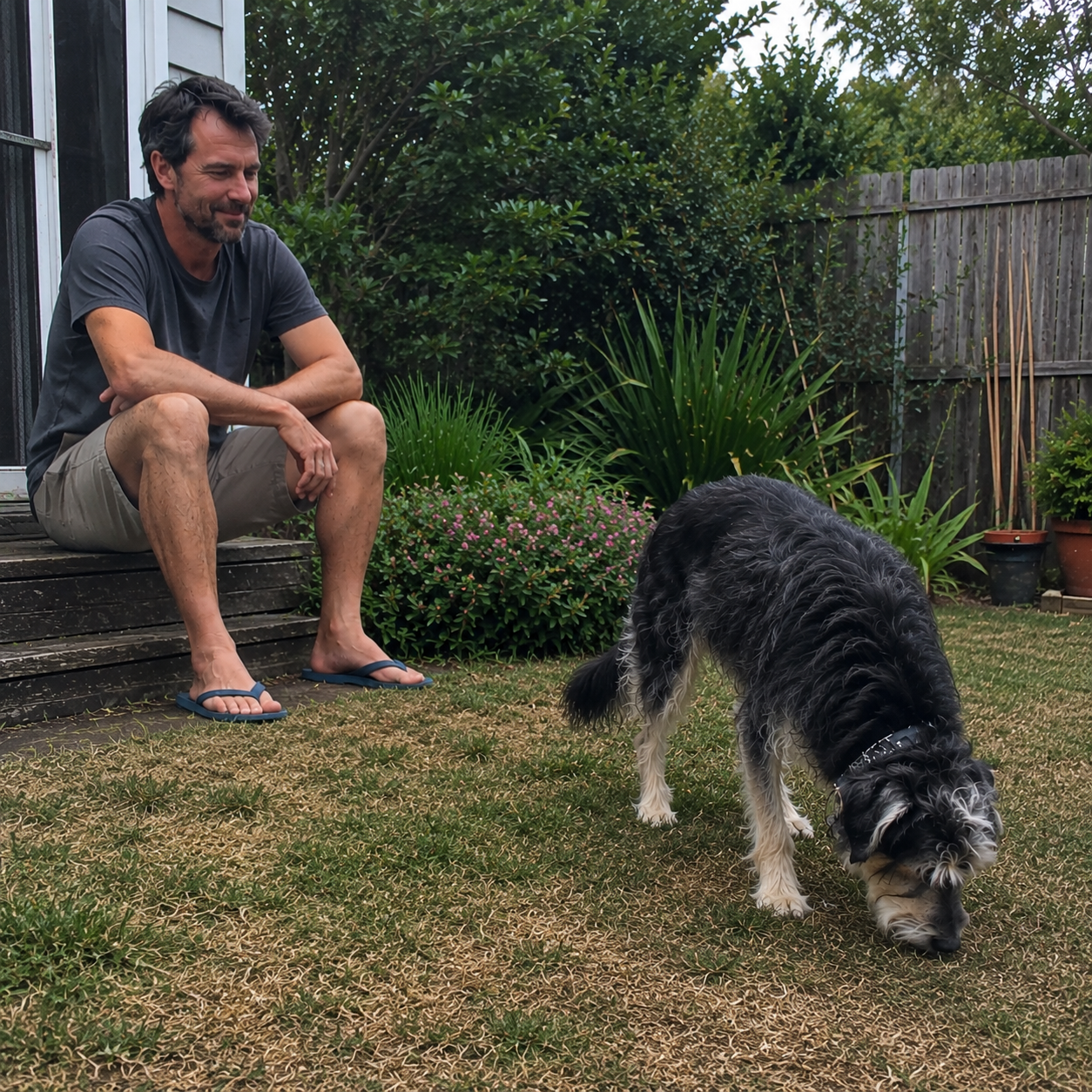
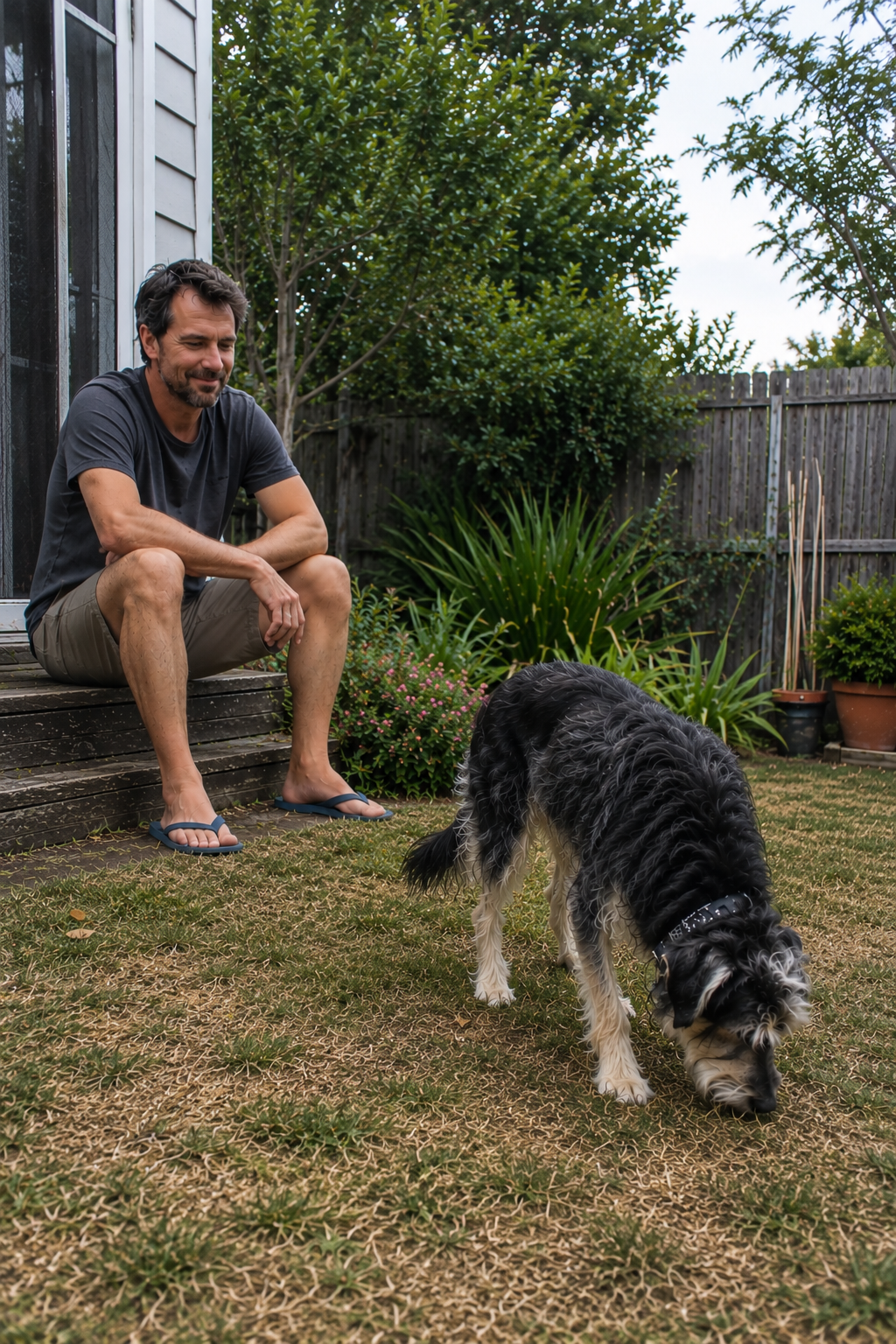
A new home is a big change for an adult dog. Give them time to learn the routines, understand the rules and find their place in the family.
Bringing home a new dog: How to get it right from the start
You did your homework. You met the dog, asked all the right questions and pictured how they would fit into your family. Then you brought them home — and somewhere between the chewed remote, the barking at the neighbour and the 5am wake-up call, the rosy picture started to wobble.
Welcome to life with a newly rehomed dog.
Sometimes the transition really is remarkably easy. Sometimes, despite everyone’s best intentions, it isn’t.
One of the most common issues CLEAR Dog Training sees with newly rehomed dogs is the gap between expectation and reality. The answer isn’t to panic. It’s to take off the rose-coloured glasses, look at the dog you actually have and make a plan.
Choose with your head as well as your heart
Before taking on an adult dog, find out as much as possible about their history, temperament, behaviour and needs. Think realistically about whether their energy levels and personality suit your household and lifestyle. A gorgeous face or sad story shouldn’t completely overrule your head.
But even a careful assessment can only tell you so much.
A dog you meet at a shelter, foster home or someone else’s house may behave quite differently in yours. A quiet dog may become much more outgoing. A laid-back dog may simply have been overwhelmed. Behaviours nobody has previously seen can emerge once the dog feels at home.
You’re still getting to know each other.
Keep the first days simple
Don’t celebrate the new arrival by inviting everyone you know to meet them.
There will be plenty of time for visitors, cafés, beaches and adventures. Initially, give your dog a chance to explore, sleep, observe and learn about the people, animals and routines that will actually be part of their life.
Predictability helps. Establish a sensible rhythm of meals, walks, toileting, play, training and rest. And don’t assume an unsettled dog needs to be run into the ground. Too much excitement and activity can create an overstimulated dog who finds it even harder to switch off.
One of CLEAR’s favourite early exercises is simply teaching a dog to settle quietly on lead at your feet.
When the honeymoon wears off
Dogs can have a settling-in period, but humans have honeymoon periods too.
For the first few days, the dog following you everywhere can seem rather sweet. Jumping onto you every time you sit down is affectionate. The 5am wake-up is understandable because they’re still settling in.
Three weeks later, you may feel rather differently.
Think early about what you want normal life to look like. You don’t need dozens of rules, but don’t encourage something today that you know will drive you mad next month.
The same applies to independence. If your dog will eventually need to stay home alone, don’t spend the first fortnight with them attached to your ankle. Baby gates can help them learn to relax away from you while you’re still home. Introduce actual alone time gradually and use a camera if you’re unsure how they’re coping.
Manage more and nag less
If a behaviour is driving the family mad, don’t simply keep telling the dog off. Work out what is happening and how you can prevent it.
Every time a dog successfully practises an unwanted behaviour, they’re getting better at it.
If they raid the kitchen bench, restrict access while you work on training. If they charge the front door, use a barrier. If they steal the children’s toys, don’t leave tempting toys scattered everywhere and then blame the dog for taking them.
Management stops the dog rehearsing the problem while you teach an alternative.
Sometimes management is temporary while training catches up. Sometimes the sensible long-term answer is simply to continue managing the situation. There’s nothing wrong with that.
Look for opportunities to say yes
It’s easy for the first weeks to become an endless stream of no, leave it, get down and stop.
Try turning that around.
Notice your dog lying quietly while you eat dinner. Reward them for checking in on a walk. Reinforce four feet on the ground instead of waiting for them to jump. Play together and make training enjoyable.
Engagement comes first. Give your dog reasons to want to listen to you rather than immediately demanding perfect obedience.
The relationship is the petrol in the tank. Without it, everything else is harder.
Train the dog in front of you
Sometimes dogs are rehomed because there was an aspect of living with them that somebody found difficult. Your new dog may pull on lead, bark at other dogs, guard resources, struggle when left or arrive with habits nobody warned you about.
Don’t catastrophise, but don’t ignore significant problems either. Manage them so the dog isn’t continually rehearsing them, and get professional help early for serious fear, aggression, resource guarding or separation distress.
Most importantly, stop comparing the dog in front of you with the one who existed in your imagination.
Six months from now, you may barely recognise the dog who first walked through your door. Or you may still be working on some of the things that arrived with them.
CLEAR THINKING
Take off the rose-coloured glasses. Have a plan, but be prepared to change it. Train the dog in front of you, not the dog you imagined.
Take off the rose-coloured glasses. Celebrate what’s going well and make a sensible plan for what isn’t. Train the dog in front of you. That’s where the real relationship begins.