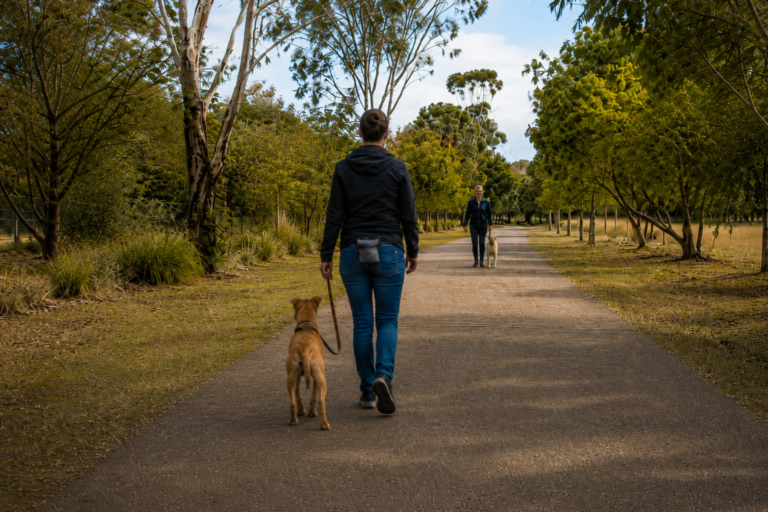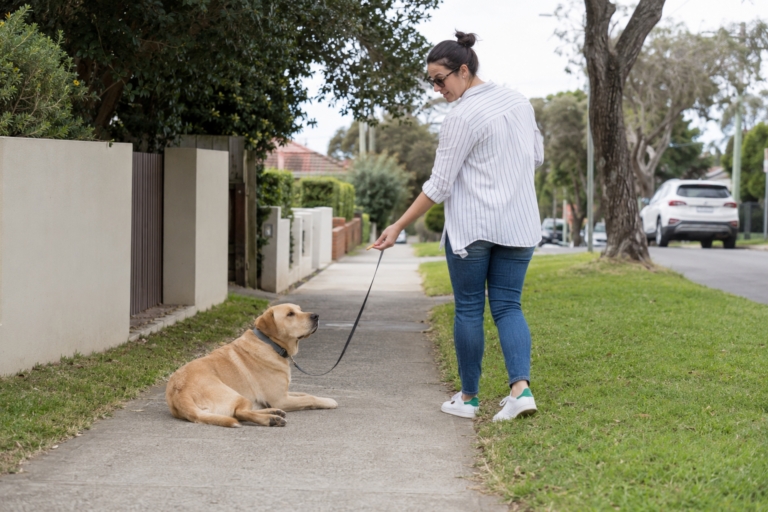
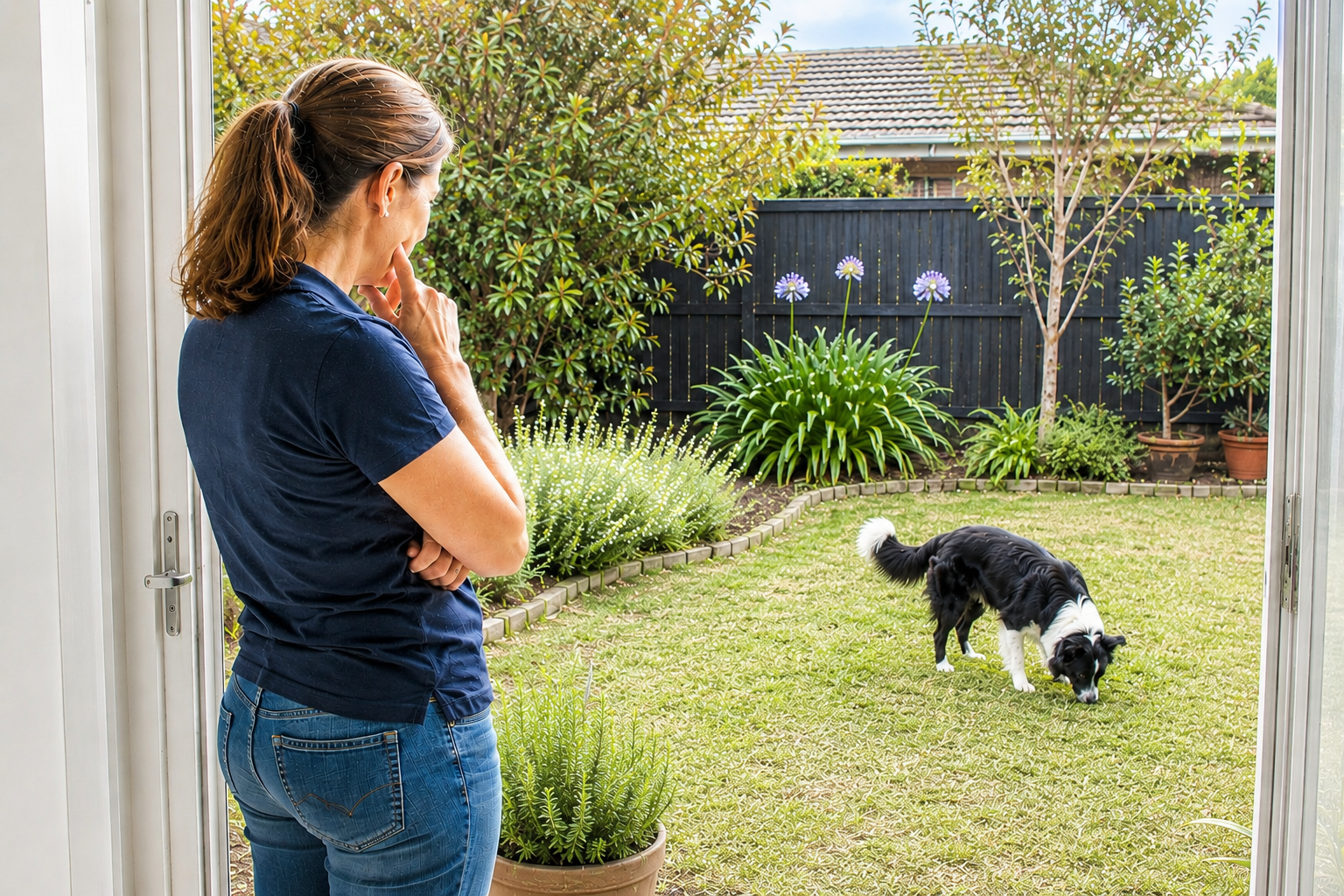
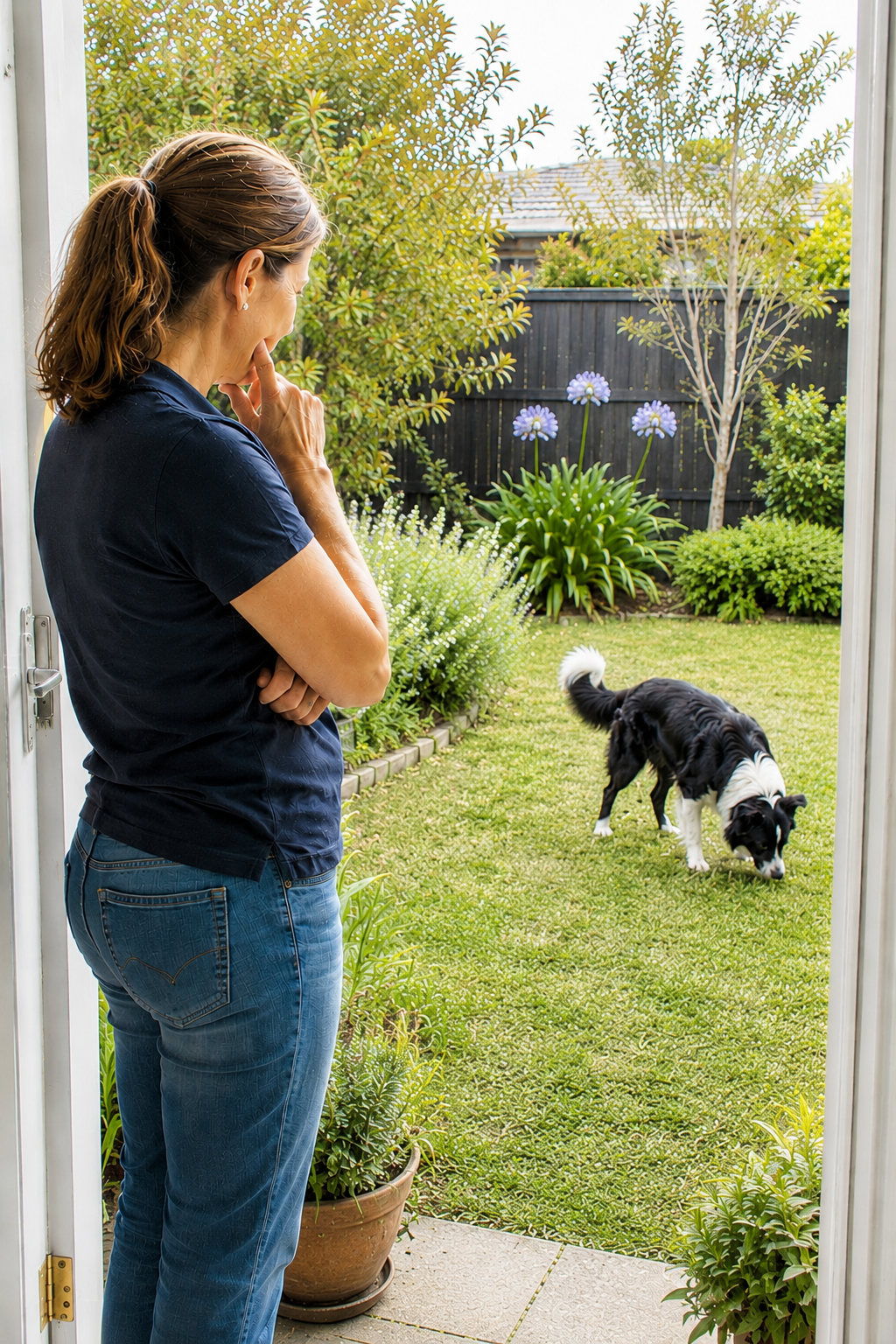
Think before you call “come”. Are you on a winner, and will coming back make your dog want to do it again?
The biggest mistake owners make when teaching a recall
Every weekend you’ll see the same scene at parks all over Australia. A dog is happily charging around while its owner stands in the middle of the field calling, “Come! Come! Come!” The dog barely looks up, while the owner’s voice becomes louder and more frustrated with every attempt.
Most people assume the dog is being stubborn or disobedient. In reality, the problem often started months or even years earlier. Without realising it, the owner has accidentally taught the dog that the word “come” doesn’t carry much value.
At CLEAR Dog Training, we encourage owners to think differently about recall. Rather than seeing “come” as just another cue, we see it as one of the most valuable words your dog will ever learn. Treat it like gold, because one day it could save your dog’s life.
CLEAR THINKING
A recall isn’t built by saying “come” more often. It’s built by protecting that word so your dog learns it always predicts something worthwhile.
Protect the word
Many owners unknowingly waste their recall cue by using it dozens of times every day when they don’t really need to.
“Come outside.” “Come into the kitchen.” “Come over here.”
If you’re simply asking your dog to move with you from one place to another, use another cue such as “Let’s go” or “This way.” Save “come” for those occasions when you genuinely want your dog to leave what it’s doing and return to you.
The more valuable that word remains, the more powerful it becomes. Every successful recall strengthens it. Every failed recall or unnecessary use weakens it a little.
Don’t poison the cue
Dogs are brilliant at making associations. If every recall is followed by nail trimming, medication, a bath or being shut inside while everyone else stays outdoors, your dog soon learns that “come” predicts the end of everything enjoyable.
The same thing often happens at the park. The owner calls the dog, clips on the lead and immediately heads home. Before long, the dog starts thinking, “If I go back, the fun finishes.”
Whenever practical, go to your dog if something unpleasant has to happen instead of calling it to you. Even better, regularly call your dog, reward it generously, then send it straight back to playing. That teaches your dog that coming back doesn’t always end the adventure.
Set your dog up to succeed
One of the quickest ways to weaken a recall is to use it when you already know your dog probably won’t respond.
If your dog is chasing another dog, completely absorbed in an interesting scent or racing after birds, it’s unlikely to make the right decision. Every time your dog ignores the cue, it learns that “come” is optional.
Instead, build your recall in situations where your dog is likely to succeed. Gradually increase the distractions as your dog’s understanding and reliability improve. The goal isn’t to test your dog. It’s to build a cue that works because it has a long history of success.
Make coming back worthwhile
A recall should always leave your dog thinking, “I’m glad I came.”
During the learning phase, we recommend rewarding almost every successful recall. For young dogs especially, coming back should nearly always pay well. That doesn’t mean carrying food in your pocket every minute of the day. Keep small stashes of treats around the house so, if you call your dog in from the backyard, you can quickly collect a reward before paying your dog.
Food is only one possibility. Your reward might be enthusiastic praise, a favourite toy, a quick game of tug or simply permission to race off and play again. What matters is that your dog learns that choosing to return to you is one of the best decisions it can make.
A word worth protecting
A reliable recall isn’t built by shouting louder or repeating “come” over and over again. It’s built by carefully protecting one simple word.
Use it only when you mean it. Set your dog up to succeed. Reward generously, especially while your dog is still learning. If you do those things consistently, “come” becomes more than just another cue. It becomes a word your dog trusts—a word that predicts good things and one that, when you really need it, your dog is eager to respond to.
Because one day, that one little word might be the most important one your dog ever learns.